
How Shetty's Desk gets made
From operating question to useful artifact
The workflow is built to produce more than attractive content. Every post should turn supply-chain evidence into a visual that helps someone understand a decision, challenge an assumption, or run a better review.
Frame the question
Start with the operating tension, not the topic label. Name the meeting, decision, and person the artifact must help.
- Evidence in
- Calendar intent, audience need, recent signal, and one practical decision pressure.
- Artifact out
- Decision-led content brief
Build the evidence
Research the concept, current tools, operating constraints, and counterexamples until every important claim can survive review.
- Evidence in
- Primary sources, practitioner references, data definitions, and the Top-100 visual intelligence library.
- Artifact out
- Research brief and fact table
Design the decision
Turn the research into an operating artifact: a board, table, map, process, or model with a clear reading order.
- Evidence in
- Inputs, transformations, outputs, exception logic, and the human decision boundary.
- Artifact out
- Creative packet and content architecture
Art direct the visual
Use GPT Image 2 as the creative renderer, then lock the brand story, hero relevance, typography, logos, and editorial depth.
- Evidence in
- Approved reference grammar, Shetty's Desk brand kit, exact logos, and a written creative contract.
- Artifact out
- Final still and layout-specific motion
Run the quality gates
Check every word, formula, label, connection, logo, and motion endpoint. Reject polish that changes the operating meaning.
- Evidence in
- Text QA, semantic QA, logo QA, source-fidelity checks, and voice QA against the final caption.
- Artifact out
- Approved publication package
Publish and learn
Publish the still, motion companion, and caption as one idea. Record what readers save, question, and use in practice.
- Evidence in
- Post analytics, reader comments, iteration notes, and the reusable learning captured for the next build.
- Artifact out
- A stronger next cycle
The division of work
Automate the repetition. Keep ownership of the judgment.
- Source aggregation and reference retrieval
- First-pass research synthesis and structured briefs
- Prompt compilation, image variants, and motion frames
- Mechanical text, schema, logo, and endpoint checks
- The point of view and operating question
- Which evidence is trusted and what remains uncertain
- The visual architecture, brand story, and final caption
- Publication approval and the lesson carried into the next post
A post is not finished when it looks finished.
Evidence
Every important claim points to a source, definition, or approved operating assumption.
Meaning
The layout and motion preserve the real process, formula, hierarchy, and decision logic.
Brand
Typography, palette, logo treatment, visual depth, and caption voice belong to one studio system.
Usefulness
The reader can take a question, method, or artifact into the next planning conversation.
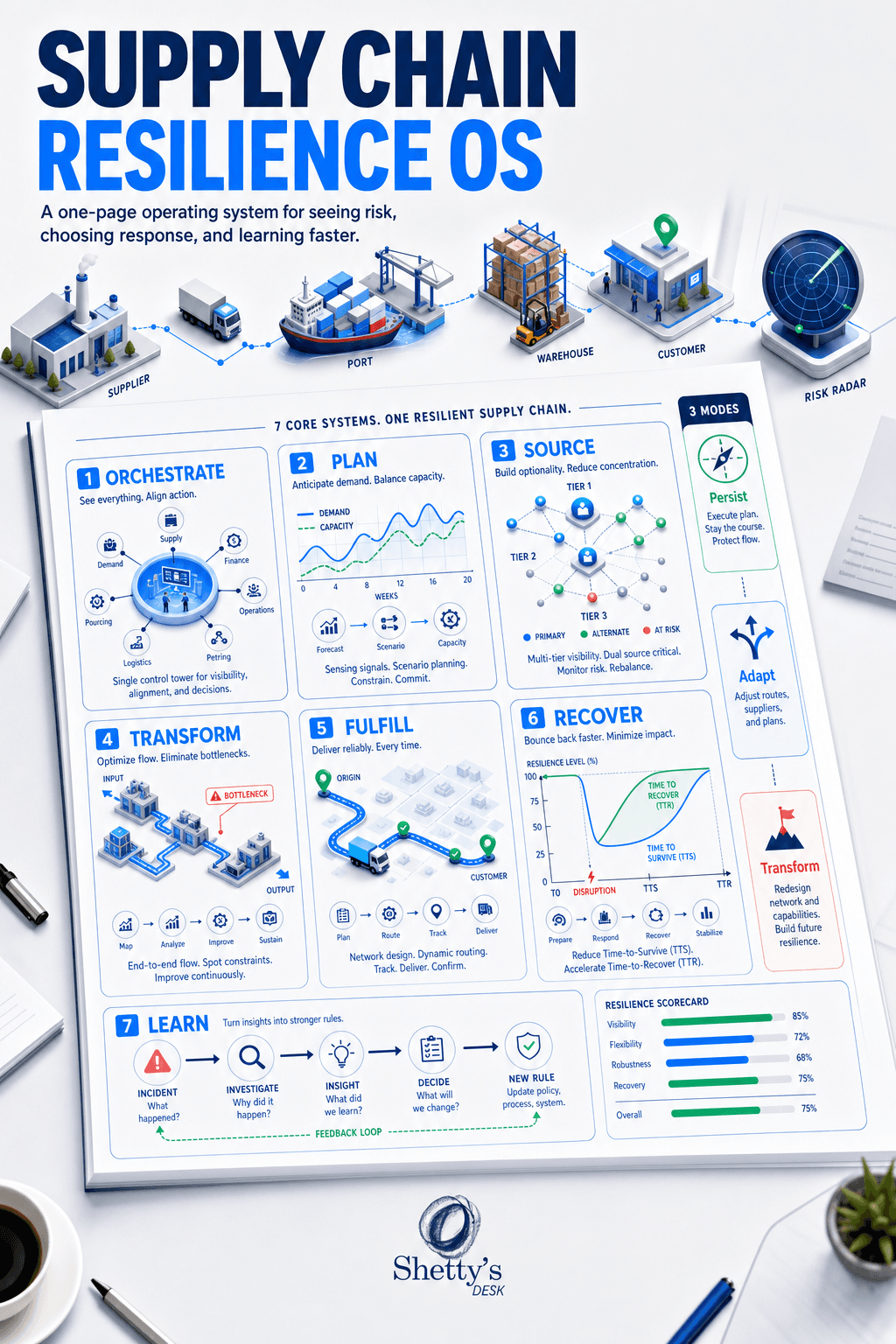
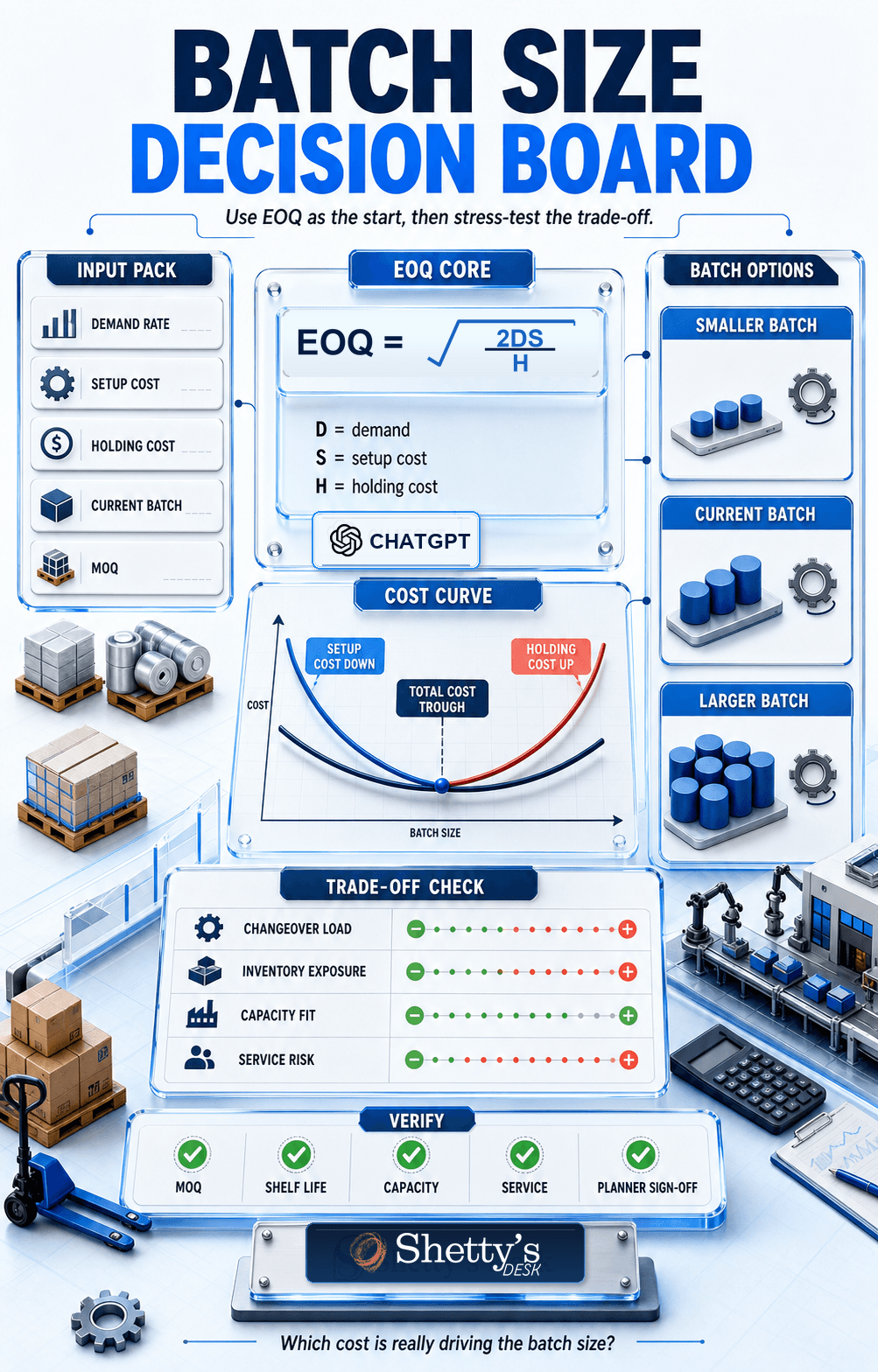
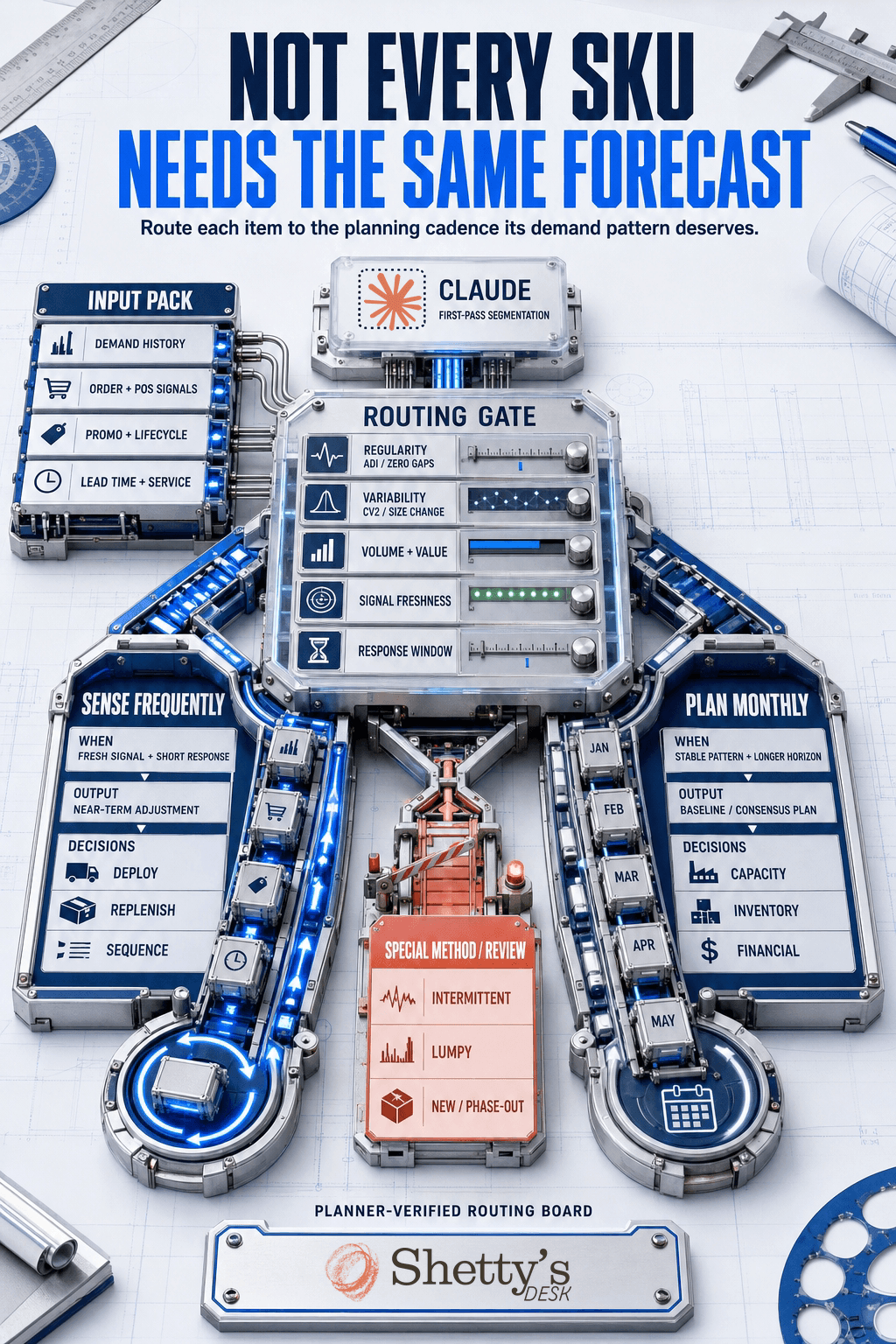
Proof from the workflow
Different topics, one design language
The bet
AI should move the work forward, but it should also make the method easier to inspect, repeat, and improve. The result still has to sound like me, teach something real, and hold up in an operating room.
See the published work